500,000 children in Thailand have no school.
That's just one country.
They're not statistics. They're children. And your child can help them.
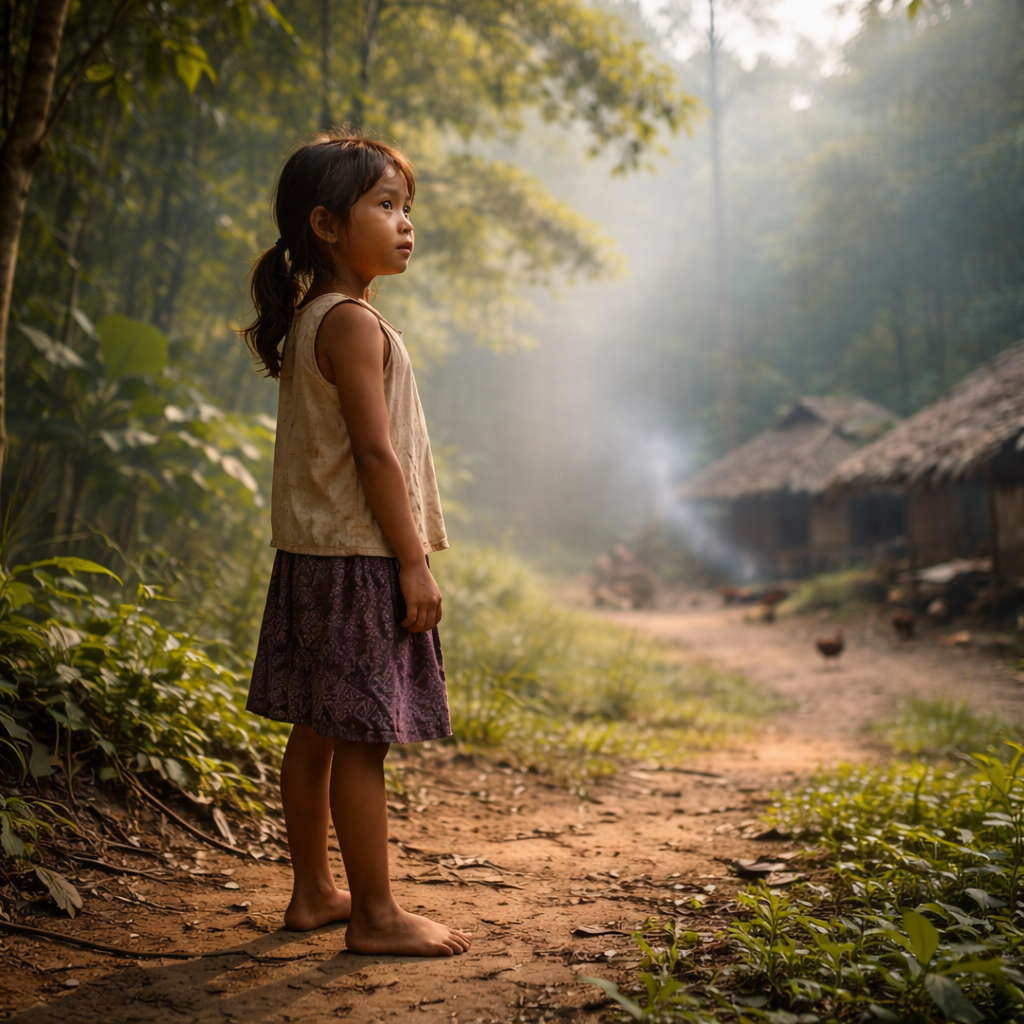
Who they are
They live in jungles. In mountains. On islands with no roads. In refugee camps along the border. In villages so remote that no teacher has ever visited.
Some are stateless—no birth certificate, no ID, no government that claims them. For the system, they don't exist.
For us, they're the whole point.
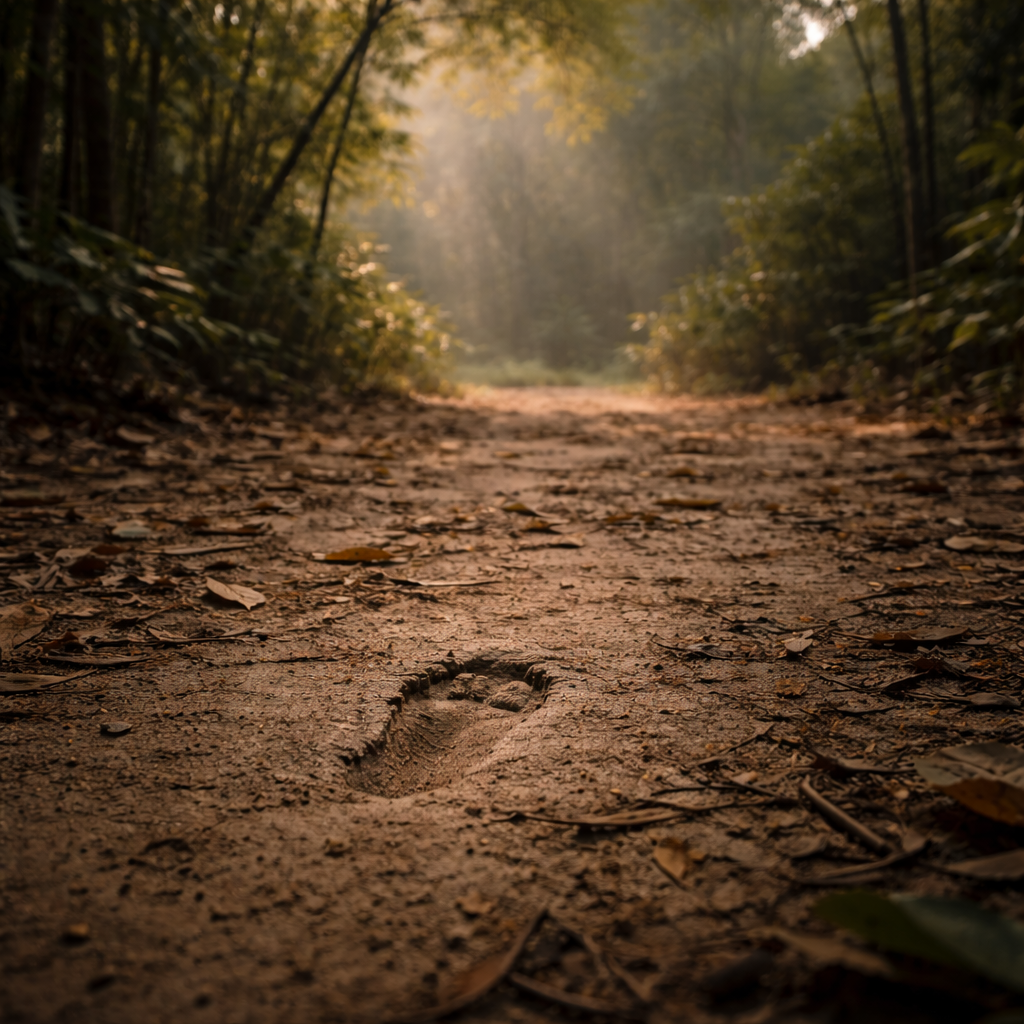
What they don't have
Missing: No school building
What that means: They've never seen a classroom
Missing: No teachers
What that means: No one to show them how the world works
Missing: No books
What that means: Nothing to read, nothing to dream from
Missing: No future
What that means: Without education, the cycle never breaks
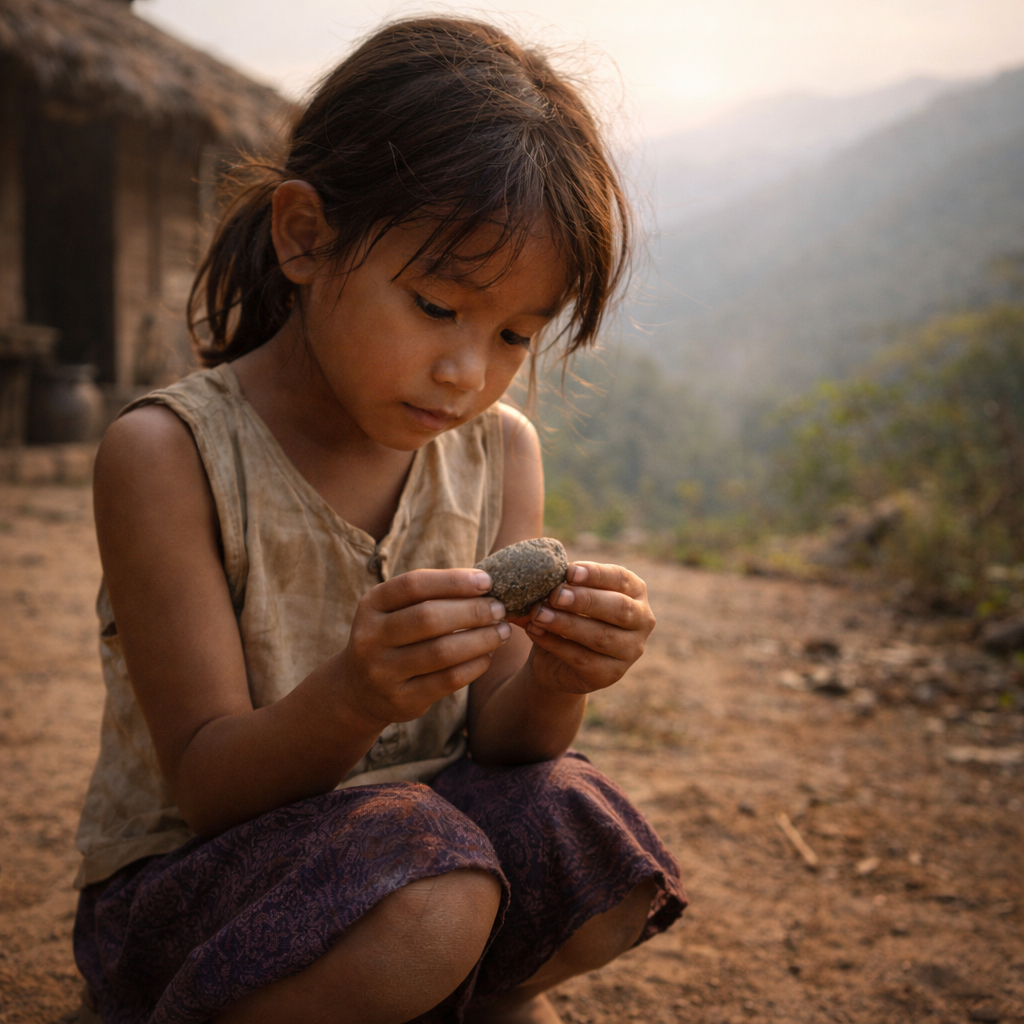
What they do have
They have: Curiosity
What that means: They want to learn. Desperately.
They have: Resilience
What that means: They've survived things your child will never face.
They have: Potential
What that means: Hidden. Waiting. Ready.
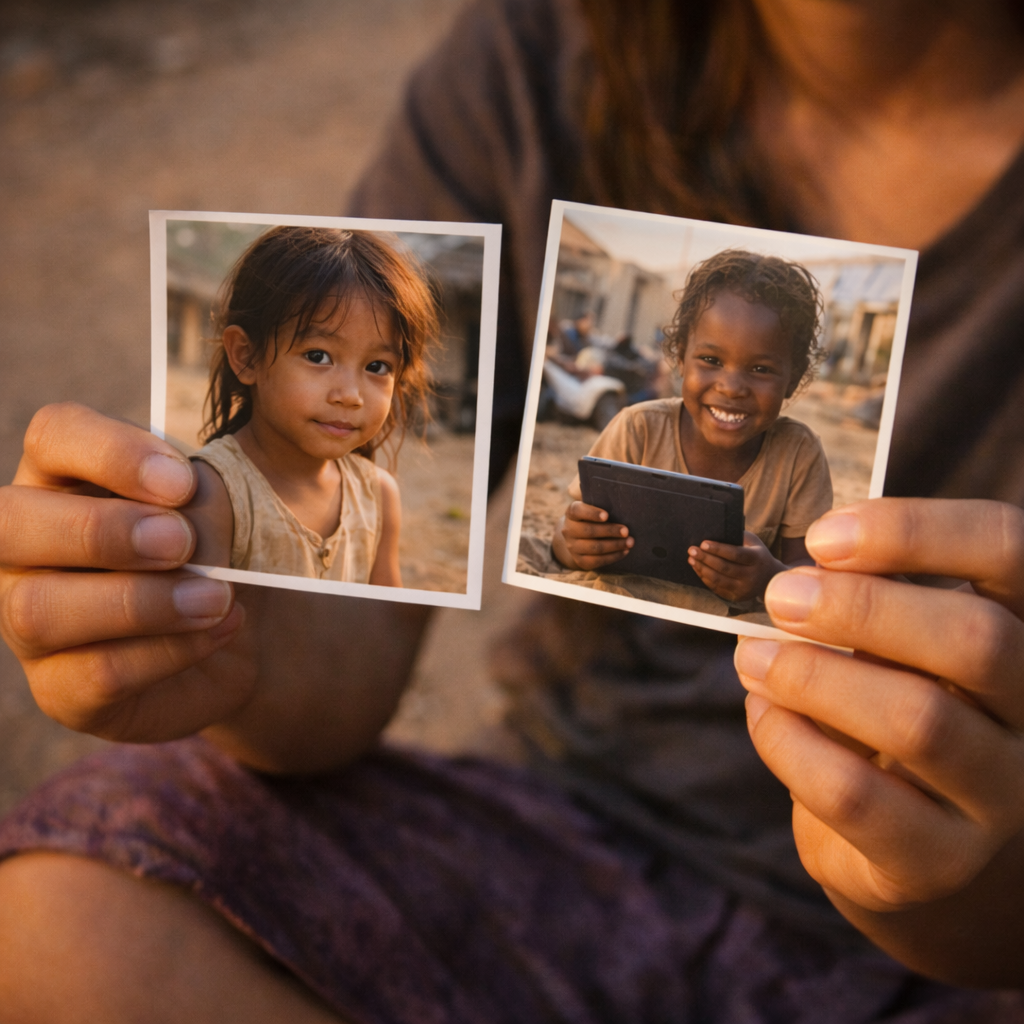
One child's story: mali
Name: Mali
Age: 11
Location: A village in northern Thailand, three hours from civilization
Mali wakes before dawn. She helps her grandmother collect water. She tends the family's small vegetable patch. She looks after her younger brother while their parents work.
She has never held a book. She has never seen a teacher.
But she has seen a phone—once, when a visitor came. She watched videos on it for 20 minutes before the battery died. For weeks afterward, she asked everyone: "When will the phone come back?"
Mali is not lazy. She's not hopeless. She's just... unseen.
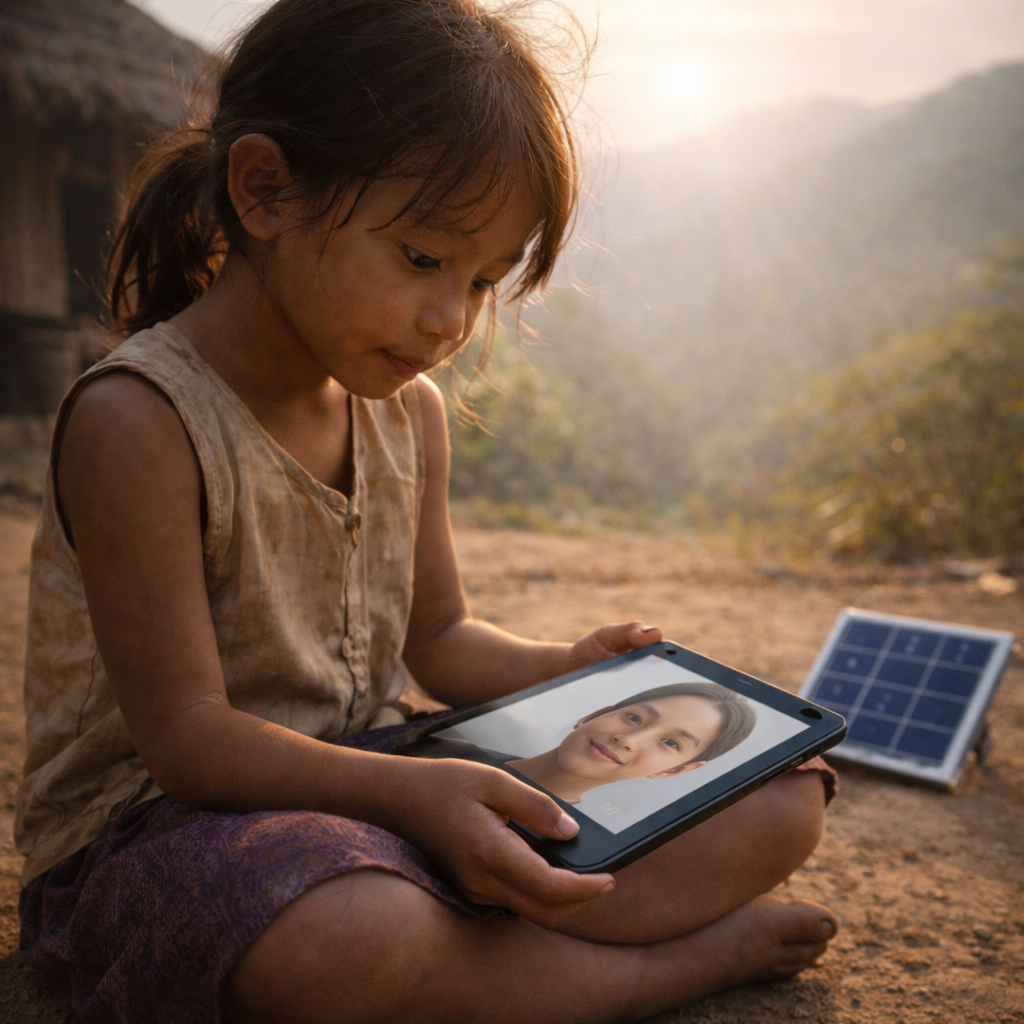
What one pod gives mali
Item: Solar panel
What it does: Power where there is no grid
Item: Starlink
What it does: Internet where there is no road
Item: Phone + dock
What it does: Her own mentor, always with her
Item: Screen
What it does: The world opens up
Item: AI mentor
What it does: Same face, same voice, same patience—for years
For about $260, Mali gets everything your child has.
What happens next
Mali doesn't just learn to read. She learns to think.
She starts a company—maybe selling goods from her village to the outside world. Maybe building something no one in the city ever thought of.
Her profits flow back through the Trust. They fund the next pod. And the next. And the next.
Mali, who had nothing, becomes someone who gives everything.
The cycle of giving and growth
Generation: Your child
What they receive: A pod, a mentor, a future
What they give: Funds Mali's pod
Generation: Mali
What they receive: A pod, a mentor, a future
What they give: Funds the next child
Generation: The next child
What they receive: A pod, a mentor, a future
What they give: Funds another
It never stops. Once started, it runs forever.
Why this matters for your child
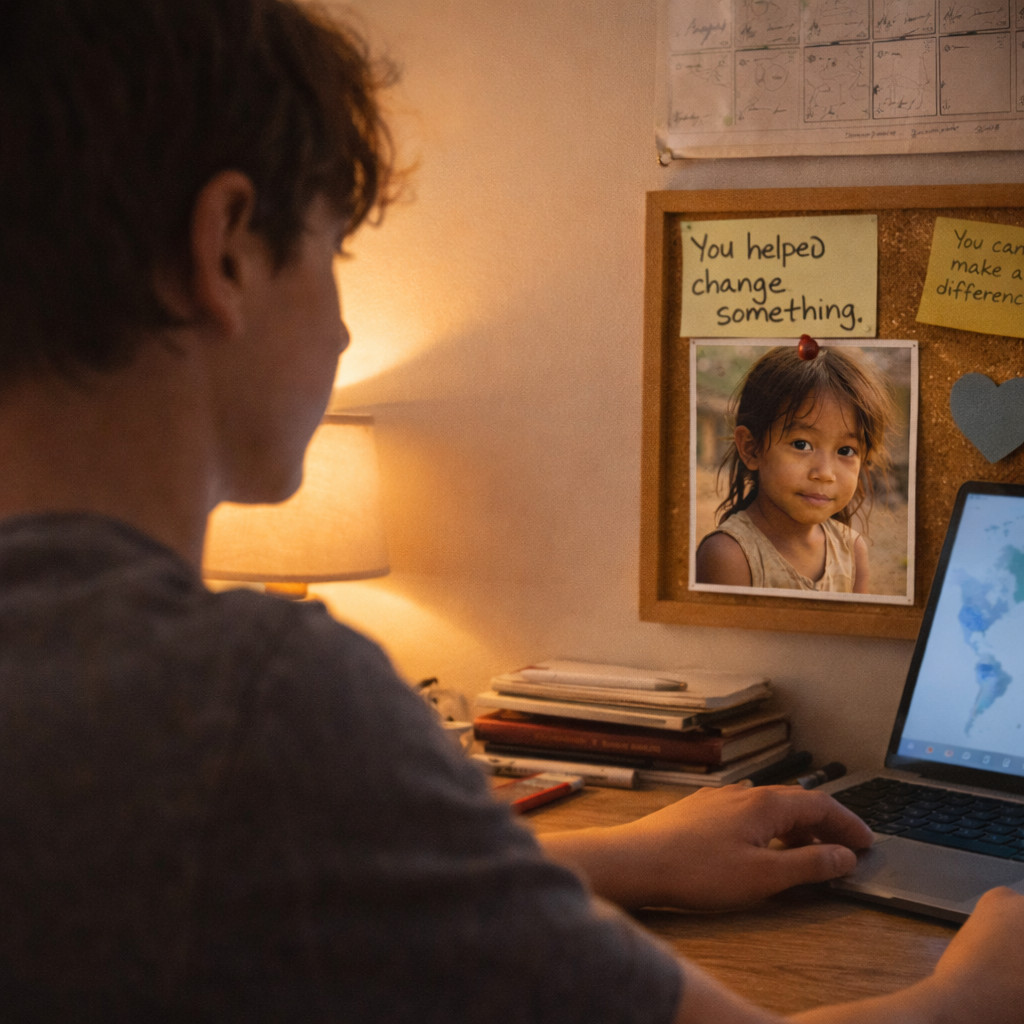
Your child will never meet Mali. But they'll see her photo. They'll get updates. They'll know that their work—their sales, their hustle, their late nights—put a pod in that jungle.
That changes a person. It makes success mean something. It makes profit holy.
"My son used to ask 'why do i have to do this?' Now he asks 'how many more sales until we fund another mali?'"
"She framed the photo of 'her' child and hung it above her desk. She talks to her sometimes. Says 'I'm working for both of us.'"
"I didn't know business could feel like this."
The uneducated are not hopeless
They're just waiting.
Waiting for someone to see them. Waiting for a system that doesn't ignore them. Waiting for a child in another country to sell enough widgets to build their school.
Your child could be that someone.

© 2024 End of page.